Workable work
Being able and willing to work longer
Workable work is what turns 'having a job' into 'working with drive'.
Workable work: being able and willing to work longer
Workable work is work that does not make you ill or overstretched, that motivates, that offers opportunities to learn and that leaves room to combine work and private life. In Flanders those four elements have been measured since 2004 by the SERV workability monitor. Workability is therefore not a feeling, but a measurable property of how work is organised.
How much room people get to organise their own work is a design choice. More on that in the essay Everyone waits for green.
Having work is one thing; having workable work is the real key to fulfilment and growth. Workable work is about four elements:
- Stress-free working. No overload, only fulfilment.
- Enjoyment at work. Motivation is the engine of success.
- Learning opportunities. Keep growing.
- Work-life balance. Room for life outside of work.
Why is workable work so important?
- For employees: more enjoyment, growth and lower absenteeism.
- For employers: motivated, efficient employees, and contribution to company values.
- For independent entrepreneurs: passion, satisfaction and growth.
Who carries the responsibility?
In a rapidly changing world of work, entrepreneurs, employees, organisations, governments and social partners share this responsibility. The Flemish and federal ‘workable work’ action plan offers inspiration and levers.
Making work workable takes time
Every aspect of workable work deserves attention, and change often brings even more change with it.
The strength of your organisation
With a workability scan such as Werkmeter you easily assess the current state of your organisation. This survey creates the link between your structure and how your team experiences their work. Afterwards you have a clear picture of the bottlenecks and can put a thoughtful action plan into practice.
The Department of Work and Social Economy supports companies wanting to improve workability. Know your organisation, know its bottlenecks - that is the enduring reason to measure, regardless of which subsidy is open at a given moment.
The Z-card
With the Z-card as guide, you can open the conversation on workable work and work together towards a flourishing work environment.
Recent figures
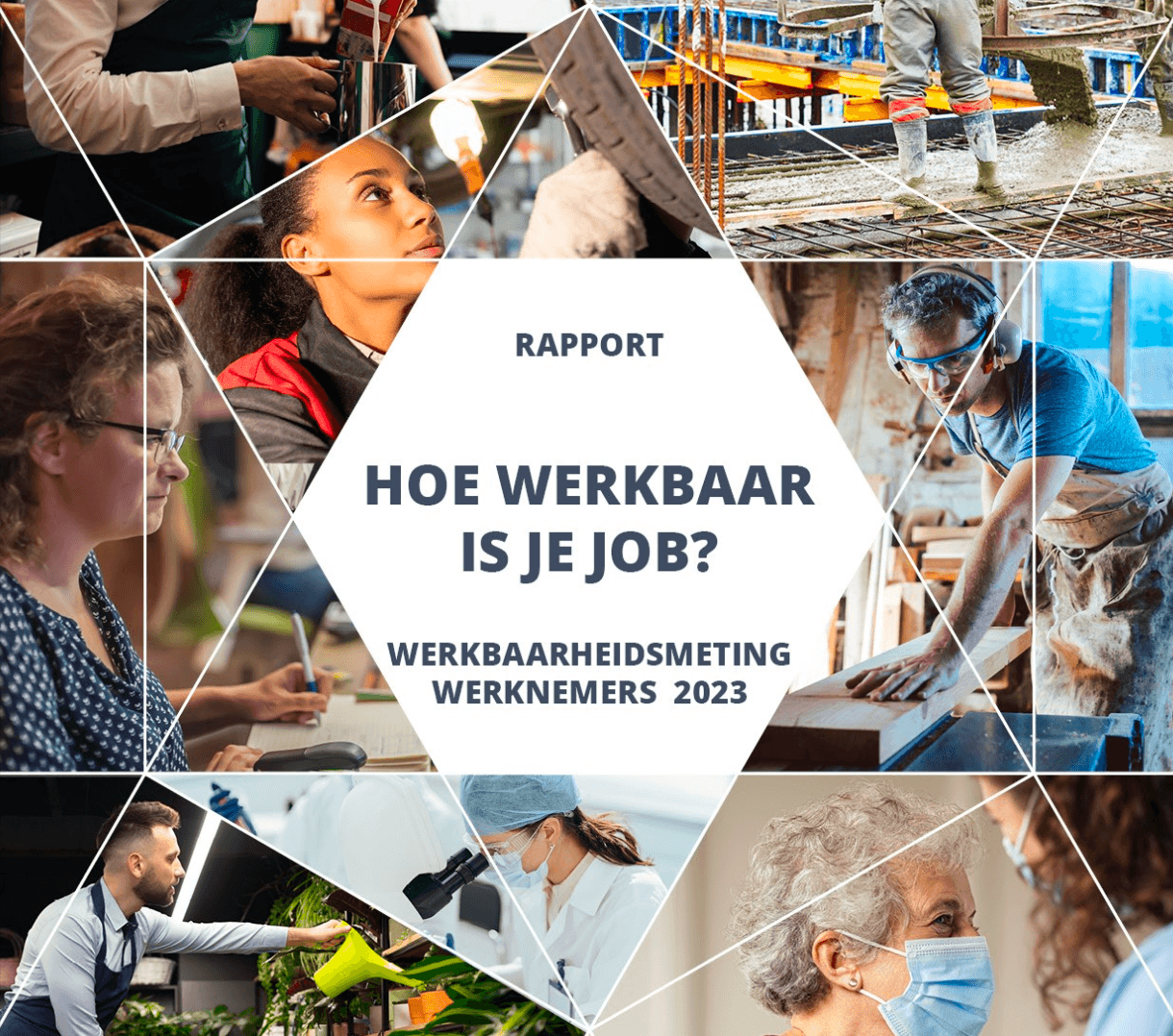
The 2023 workability report on employees (SERV).
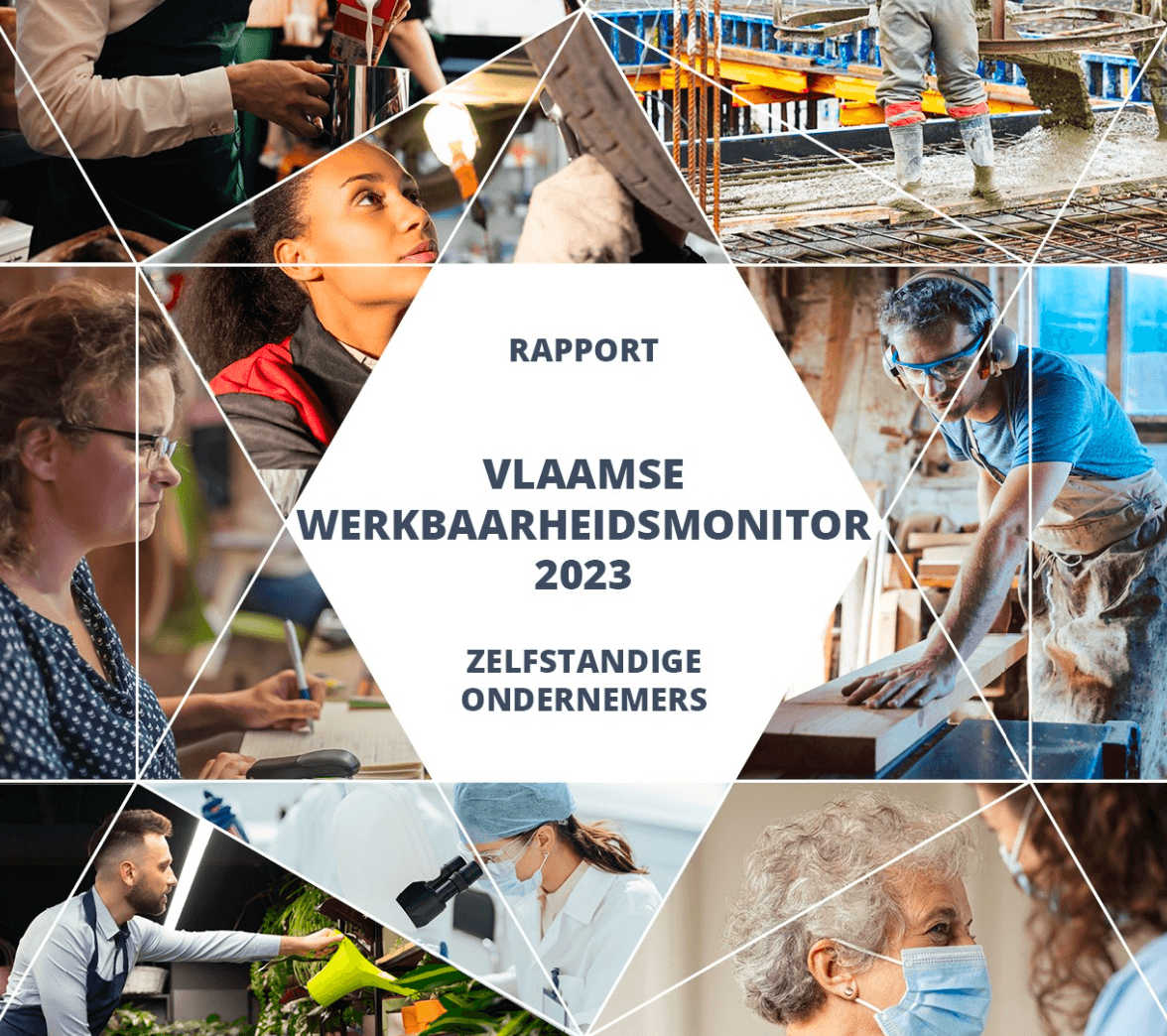
The 2023 workability report on the self-employed (SERV).
Tools for this theme
Frequently asked
Work that does not make you ill or overstretched, that motivates, that lets you keep learning and that leaves room for your life alongside it. Those four elements together - stress, motivation, learning opportunities and work-life balance - form the definition the Flemish workability monitor uses.
With a survey among your employees that breaks down the four elements and connects the outcome to how the work is organised. Werkmeter does that. You do not end up with a satisfaction score, but with the place in your structure where the complaints originate.
Employer, employee, sector and government share that responsibility, but not equally. What an individual can adjust is small compared with what an organisation can change in tasks, autonomy and support. Starting with resilience training is starting at the wrong end.